
Zuriel and Hannah Bernardino
From Medicine to Ministry in Manila
The Burning Bush Experience…
Sometimes you just KNOW what you’re supposed to be doing.
Manila is a city full of energy, opportunity and need. Zuriel and Hannah Bernardino are taking Jesus’ message to the city’s people through Heroes Church — a church committed to building Christ-centred communities of imperfect people who aim to love their city to life.
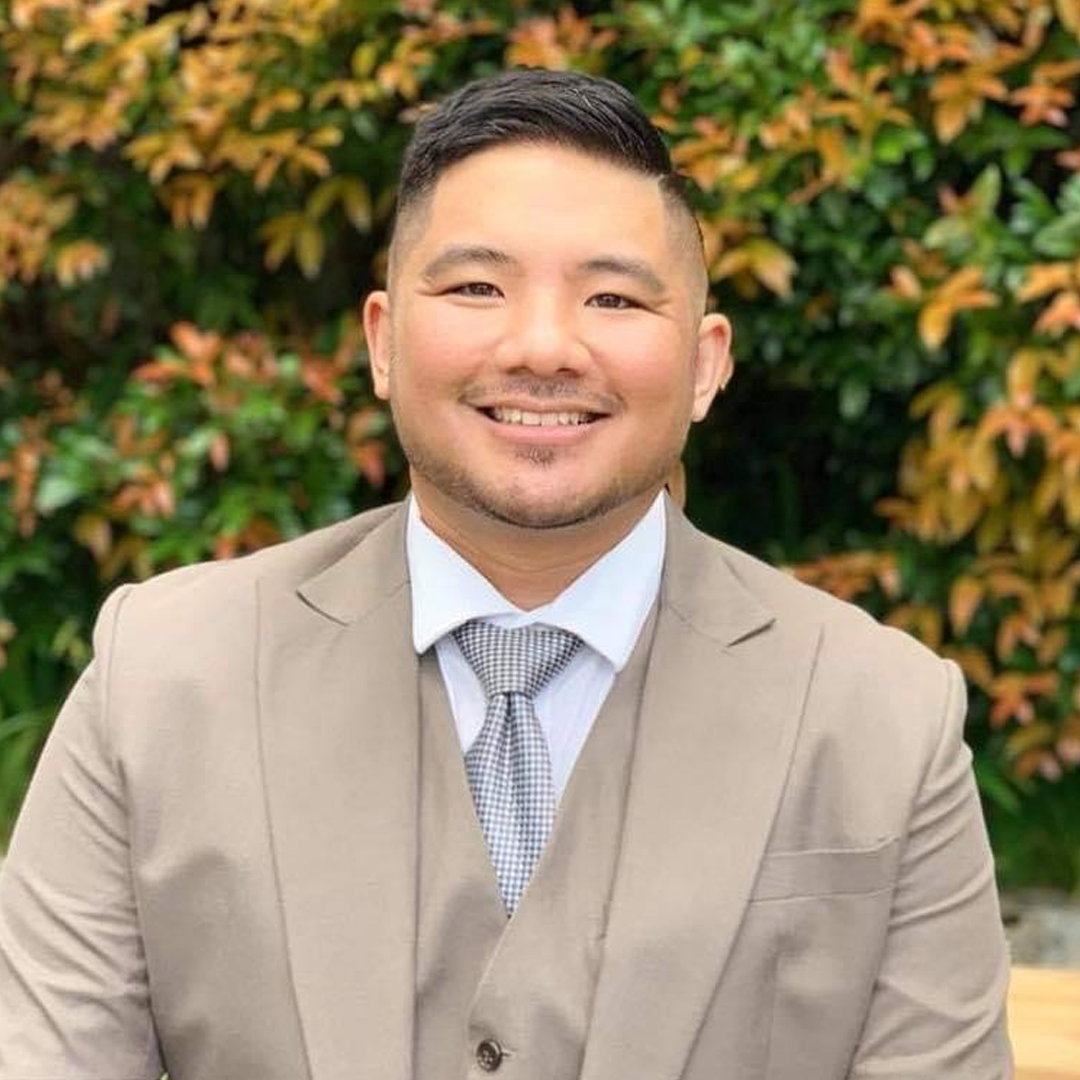
Zuriel serves as lead pastor. Hannah is a medical doctor. Together, they are seeking to love people deeply, preach the gospel clearly, raise up leaders faithfully and help build a church that reaches across social and economic divides. Their story did not begin with a polished church-planting strategy. It began with a burden.
Before Heroes Church was planted, Zuriel was in medical school, heading toward neurosurgery. In a research project, he discovered the leading future causes of death in the Philippines were all related to mental health. The findings deeply troubled him. The projections pointed toward a rise in deaths connected with psychological and mental health struggles, including suicide.
For Zuriel, this became a kind of “burning bush” moment. God used it to get his attention. He began to ask whether the deepest needs around him could be met by medicine alone. He took a six-month leave of absence to pray and seek the Lord. That season eventually led him to New York City, where he took part in Tim Keller’s first international church planting training.
There he caught a vision for planting gospel-centred churches in the major cities of the Philippines. For Zuriel, that meant planting a church in Manila, the nation’s largest city.
He later completed a Master of Divinity in Biblical Studies at Asian Theological Seminary, further preparing him for the work of church planting.
Hannah, also trained in medicine, understands the same tension. Medicine can treat the body and help preserve life, but human beings are more than physical bodies. People have spiritual needs. They need hope, purpose, forgiveness, belonging – and the good news that all those things can be found in the abundant life Christ promised His followers.
That conviction has shaped the ministry of Heroes Church from the beginning.
The Challenge of Cultural Christianity
In the Philippines, the challenge is not usually that people have never heard of Christianity. In fact, many people identify as Christian. God-language is common. Crosses are familiar. Religious language appears naturally in conversation, yet familiarity with Christian language is not the same as new life in Christ. Zuriel described one of the major challenges as helping people unlearn what they have assumed Christianity to be. Many people think they already know the gospel. Many assume they are Christian because of culture, family background or religious habit. That means the work of gospel ministry can be slow and patient. It involves walking with people, building trust, explaining the gospel clearly, and helping them see that Christianity is life in Christ – not merely a label, tradition or moral system.
Zuriel spoke of people who first came to Heroes Church simply because they were his friends. Some even told him, “Don’t convert me.” His answer was simple: “I will never convert you.” And of course, he meant it. Conversion is not finally the work of a pastor. It is the work of God. Over time, people began to hear the gospel, understand it, and respond. Zuriel described moments when people moved from head knowledge to heart conviction – often with tears. They had thought they were Christian all along, but now they were encountering Christ in a new and living way. That is the work Heroes Church continues to pursue.
Small Beginnings, Real Relationships
Heroes Church began simply with the first meetings held in the basement of a five-storey bookstore. The space had around 60 seats and was normally used for book launches. Rent was expensive (as it always seems to be in Manila), so the church rented it for only one hour each week. That meant everything had to fit into a very tight window: a simple service with just a few songs and a short sermon. Later, the church met in a McDonald’s party area, where buying food was part of using the space. It was not glamorous, but it worked. It gave people a place to gather, eat, talk and grow together.
For Hannah, those early days stand out because of the relationships. Heroes Church was not just a meeting. It became a family. They saw people move from singleness to marriage, from marriage to children, and through many seasons of joy, difficulty and need.
As a doctor, Hannah had one definition of an emergency: someone physically dying, struggling to breathe or in cardiac arrest. But through ministry, she learned another kind of urgency. Sometimes an “emergency” was someone whose car had broken down. Sometimes it was someone in emotional distress. Sometimes it was a person who simply needed someone to be present.
That “ministry of presence” has become an important part of their service. Being with people in their low moments opens the door to deeper discipleship. Theology matters. Preaching matters. But when people know they are loved, heard and accompanied, the truth often lands more deeply.
Why “Heroes Church”?
The name Heroes Church is not a gimmick. It comes from a careful attempt to connect the gospel to the Filipino context.
For decades, overseas Filipino workers have been called modern heroes. Millions of Filipinos work abroad and send money home, supporting not only immediate families but often whole extended family networks. That sacrifice has had a significant effect on the economy and on countless households.
But it has also brought pain. When fathers, mothers, siblings or other key family members leave for work overseas, it can create deep relational and spiritual gaps at home. There may be financial provision, but also absence. There may be opportunity, but also brokenness. Families can be reshaped by distance, loneliness, pressure, marriage breakdown, and family instability.
Against that backdrop, Heroes Church seeks to point people to Jesus as the true and ultimate Hero. Jesus does not leave his people. He does not merely offer hope for the future, He offers his presence. He saves, restores, gathers people into his family, and sends them out to serve as “ ‘little-h’ heroes” in their communities.
That is the heart behind the name.
A Church for the City — Not Just One Part of It
Heroes Church began with a plan to reach young professionals in Metro Manila. But from the start, Zuriel and Hannah wanted the church in the centre of Manila to be open to everyone. That matters because in Manila, as in many cities, sharp social divisions are visible. A wealthy neighbourhood can sit only minutes away from deep poverty. Churches can also become divided along class lines, with some churches effectively serving the elite and others serving the poor. Heroes Church resists that divide insisting that the gospel is for all people: rich and poor, educated and uneducated, professionals and labourers, English speakers and Tagalog speakers, those with many opportunities and those with very few. By God’s grace, Heroes Church has seen people from different backgrounds worship, serve and grow together. But they also recognise that more must be done.